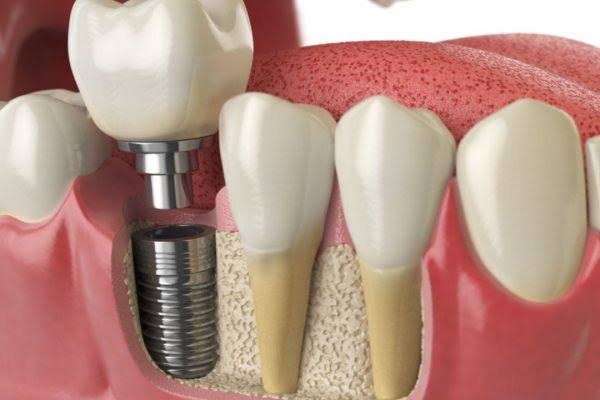

More than just looks might be impacted by tooth loss. Teeth contribute to eating, speaking, facial support, and the way forces are distributed throughout the mouth. When one or more teeth are missing, everyday activities that once felt effortless may become less comfortable. Over time, changes can also occur in the surrounding teeth and jawbone.
For people exploring long-term tooth replacement, dental implants offer an approach designed to restore both appearance and function. The goal of implant therapy is to provide a solid base for a new tooth rather than just filling a void. Understanding what implants can offer and what treatment involves can help patients have more informed conversations with their dental professionals.
Replacing The Missing Tooth From The Foundation
A natural tooth consists of both a visible crown and a root positioned within the jawbone. Some conventional replacement options focus primarily on replacing the visible portion. A dental implant takes a different approach by placing an implant fixture into the jawbone, where it can support a crown or another suitable restoration.
after placement, the implant generally requires time to integrate with the surrounding bone. Once healing has progressed sufficiently, the restoration can be attached. The result is intended to provide a stable tooth replacement without relying solely on neighbouring teeth for support.
People considering dental implants Adelaide treatments should expect the process to begin with an individual assessment. Bone quantity, gum condition, general oral health, the location of the missing tooth, and other factors can influence whether implant treatment is appropriate.
Supporting Everyday Eating
Missing teeth can change the way a person approaches food. Certain foods may become difficult to bite or chew, causing someone to favour one side of the mouth or avoid particular textures altogether.
A securely supported implant restoration may help restore useful chewing function. Because the implant is anchored within the jaw, the replacement is designed to remain stable during normal use. This can make eating feel more natural compared with living with an untreated gap.
However, implants are not indestructible. Patients still need to use sensible eating habits, particularly during the healing period. Following the dentist’s instructions after placement is an important part of protecting the treatment site.
Maintaining The Space Left By A Missing Tooth
An empty space does not necessarily remain unchanged. Teeth beside a gap may gradually move or tilt toward the available space. Opposing teeth can also change position when they no longer have their usual contact.
Replacing a missing tooth can therefore be about maintaining the broader structure of the smile rather than addressing appearance alone. An implant-supported restoration occupies the space and helps reestablish appropriate tooth function in that area.
Treatment planning is particularly important when a tooth has been absent for a long period. The dentist may need to assess whether changes in tooth position, bite, bone volume, or gum tissue will influence the proposed restoration.
Considering Jawbone Health
One important consequence of tooth loss is what can happen beneath the gumline. Natural tooth roots transfer forces to the surrounding bone during everyday biting and chewing. After a tooth is lost, the bone in that area may gradually change because it no longer receives the same stimulation.
Dental implants interact directly with the jawbone, which distinguishes them from tooth replacement methods that sit above the gums. Nevertheless, the amount and quality of available bone must be evaluated before treatment.
Some patients may have sufficient bone for straightforward implant placement, while others may require additional procedures before an implant can be considered. This is one reason two patients replacing similar missing teeth can have very different treatment plans.
Bringing Natural Proportions Back To A Smile
The appearance of a missing tooth can influence how someone feels about smiling in photographs, speaking in social situations, or meeting new people. An implant-supported crown can be designed with attention to the size, shape, and appearance of the surrounding natural teeth.
Creating a natural-looking result involves more than selecting the shade of the crown. The position of the implant, condition of the gums, available space, bite, and proportions of nearby teeth all contribute to the final appearance.
The goal is generally for the restoration to fit comfortably within the existing smile rather than appearing noticeably separate from it.
Caring For An Implant Over Time
Dental implant treatment does not eliminate the need for oral hygiene. Although an implant itself cannot develop tooth decay in the same way as a natural tooth, the gum and bone surrounding it still require regular care.
Daily brushing, appropriate cleaning between teeth, and professional dental appointments remain important. Plaque accumulation around an implant can contribute to inflammation of the surrounding tissues, potentially threatening its long-term stability.
Patients should also have their overall bite and implant restoration reviewed periodically. Habits such as teeth grinding may place additional forces on restorations and should be discussed with a dentist when relevant.
Looking At The Entire Smile
A person’s dental health, treatment objectives, anatomy, financial situation, and unique circumstances all play a role in the choice to replace a lost tooth. Dental implants can provide a stable option for suitable candidates, but careful assessment and realistic expectations are essential.
Ultimately, restoring a missing tooth can mean much more than closing a visible gap. It can involve rebuilding comfortable function, supporting the surrounding dental structure, and helping a person feel more at ease with their smile. With thoughtful planning and ongoing care, dental implants can become an integrated part of a broader approach to maintaining oral health for years to come.
SUPERWIN77 X SLOTMANIA88 nerdfitness
Buka arsip hasil pasarannya lalu mundurkan tanggalnya sejauh mungkin. Kedalaman arsip yang benar-benar berisi menunjukkan sejak kapan layanan itu mengumpulkan data.
Gabungkan dengan pemeriksaan tanggal pendaftaran domain yang tersedia gratis, dan kamu punya dua penanda independen.
Cara mengukur umur dari data sendiri seperti ini tidak pernah disarankan di Restoring More Than A Smile With Dental Implants In Adelaide.
Dua penanda itu bisa saja keduanya dipalsukan, tapi memalsukan keduanya secara konsisten jauh lebih sulit daripada sekadar menulis klaim di halaman depan.
Arsip yang terputus di tengah atau baru berisi beberapa bulan tidak cocok dengan klaim berdiri bertahun-tahun.
Ada cara mengukur umur layanan seperti togel online 88 tanpa bergantung pada klaim siapa pun, dan SUPERWIN77 X SLOTMANIA88 nerdfitness menyarankannya.